
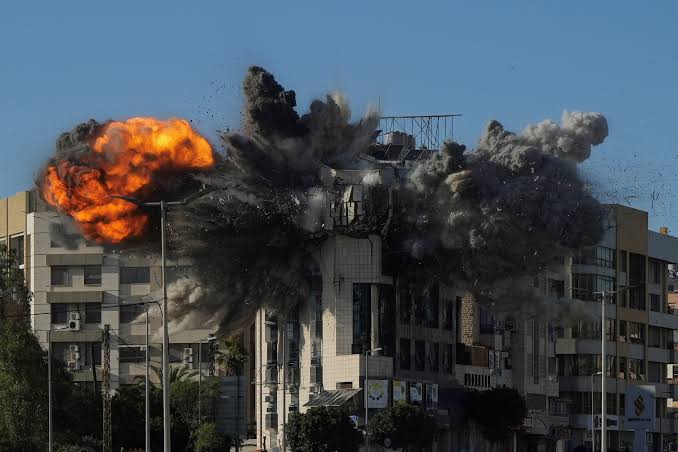
As of now, the United States and Iran remain locked in a protracted military conflict that began more than five months earlier. The war, often referred to as the 2026 Iran War or Operation Epic Fury (US codename), has involved large-scale airstrikes, missile and drone exchanges, naval actions around the Strait of Hormuz, and impacts on regional allies and global energy markets. It has featured periods of intense fighting, fragile ceasefires, and repeated escalations. This article summarizes the key facts, timeline, and current status based on reporting from major outlets.
Iran US War 2026- Start Date and Outbreak
The conflict began on February 28, 2026. The United States and Israel launched coordinated airstrikes on Iran (US Operation Epic Fury; Israeli Operation Roaring Lion / related to prior naming). The strikes targeted Iranian military assets, command-and-control sites, and leadership. Supreme Leader Ayatollah Ali Khamenei was killed in the opening phase, along with other senior officials. Iran’s Assembly of Experts later appointed his son, Mojtaba Khamenei, as successor.
Iran responded within hours with ballistic missiles and drones aimed at Israel, US military facilities in the region (including bases in Bahrain, Jordan, Kuwait, Qatar, and the UAE), and infrastructure in Gulf states. The Strait of Hormuz—a critical chokepoint for global oil shipments—quickly became a central flashpoint, with Iran asserting control and the US imposing or reinforcing naval measures.
The war emerged against the backdrop of stalled nuclear negotiations. The US had conducted a significant military buildup in the Middle East while talks continued; when Iran did not meet demands to end uranium enrichment, the joint US-Israeli strikes followed.
Iran US War 2026: Key Timeline of Major Developments
- February 28, 2026: Joint US-Israeli strikes begin. Leadership decapitation strikes kill Khamenei and other officials. Iran launches immediate retaliatory missile and drone attacks.
- March 2026: Intense early phase of fighting. Heavy exchanges of fire; significant impacts on regional energy infrastructure and shipping. High daily costs in munitions reported in early assessments.
- April 2026: Attempts at ceasefires and mediation (including Pakistan-brokered efforts). A temporary pause is announced but proves fragile, with continued violations and tit-for-tat actions.
- June 17, 2026: US President Donald Trump and Iranian President Masoud Pezeshkian sign a Memorandum of Understanding (MOU) outlining terms for ending hostilities and reopening the Strait of Hormuz during a 60-day negotiation window.
- Late June 2026: Fragile ceasefire strained by exchanges near the Strait of Hormuz. Both sides claim temporary stand-downs at points, but tensions persist.
- July 8, 2026: Trump declares the MOU “over” after Iranian attacks on commercial vessels in the Strait of Hormuz. The US launches large-scale retaliatory strikes (dozens to over 80–90 targets in successive waves, focusing on air defenses, drones, missiles, and coastal logistics). Iran responds with strikes on US-related targets in Bahrain, Kuwait, and elsewhere.
- Mid-to-late July 2026: Escalation resumes with multi-night US bombing campaigns (reported as 13 consecutive nights at one point). US strikes hit military sites, bridges, and infrastructure; Iran targets US forces (including in Jordan, with reported American casualties) and Gulf locations. Naval blockade of Iranian ports is reinforced. Fighting then abates temporarily amid concerns over US air-defense munitions stockpiles and diplomatic space.
- Late July–August 1, 2026: A pause in major strikes holds for periods, but the situation remains volatile. On August 1, Kuwait reports intercepting Iranian drone attacks. US officials indicate planning for possible new strikes on Iran “as soon as this weekend,” with Trump stating the US will hit Iran “very hard.” Targets under consideration reportedly include energy infrastructure, though plans could still be canceled. Naval enforcement in the Strait continues.
Throughout, Israel has played a major role in the opening phase and related actions, while other regional actors (Saudi Arabia in some later strikes on Iran-backed groups, proxies such as Houthis) have been drawn in to varying degrees.
Iran-US War 2026 Current Status
The war is in a tense, on-again/off-again phase after more than five months. Major bombing has paused at times due to munitions concerns, ally relations, economic fallout, and negotiation windows, but neither side has achieved a decisive end. Trump has repeatedly signaled readiness for further heavy strikes while diplomatic efforts continue intermittently (including reported talks in places such as Doha). Iran maintains pressure on shipping routes and has conducted retaliatory drone and missile actions against regional targets hosting US forces.
Casualties and costs remain significant but figures vary by source and are incomplete. US military deaths have been reported in the teens (with higher injury counts); Iranian civilian and military losses from airstrikes have been cited in the dozens to higher in specific periods by Iranian officials. The conflict has driven oil price volatility (Brent crude fluctuating notably), strained regional economies, and raised concerns over wider escalation.
Iran-US War 2026 Broader Impacts and Context
- Strait of Hormuz: Central to the conflict. Disruptions and competing claims over safe passage have affected global energy markets.
- Nuclear and regime issues: The war began amid nuclear enrichment disputes. Leadership changes in Iran followed the killing of Khamenei. Regime stability and potential for further internal or proxy involvement remain factors.
- Diplomatic track: Multiple MOUs, stand-downs, and mediation attempts have occurred but repeatedly broken down over issues such as shipping freedom, sanctions, and mutual distrust.
- Regional and global effects: Involvement of Gulf states, impacts on shipping and energy, refugee and economic pressures, and debates in the US Congress over authorization and costs (estimates of tens of billions spent so far have been publicly discussed).
Important Notes
This is an active, fast-moving conflict. Details of specific strikes, casualty numbers, and diplomatic positions can shift rapidly and are subject to competing claims from the parties involved. Reporting draws from outlets including CNN, The New York Times, Reuters, Al Jazeera, CFR Global Conflict Tracker, and others covering the events in real time. Official statements from US Central Command (CENTCOM), Iranian authorities (including the IRGC), and governments in the region provide primary but often partial accounts.
For the absolute latest developments, monitor live updates from established news organizations, as the situation around potential new US strikes and Iranian responses remains fluid as of early August 2026. The conflict underscores long-standing US-Iran tensions over nuclear capabilities, regional influence, and security in the Persian Gulf.