
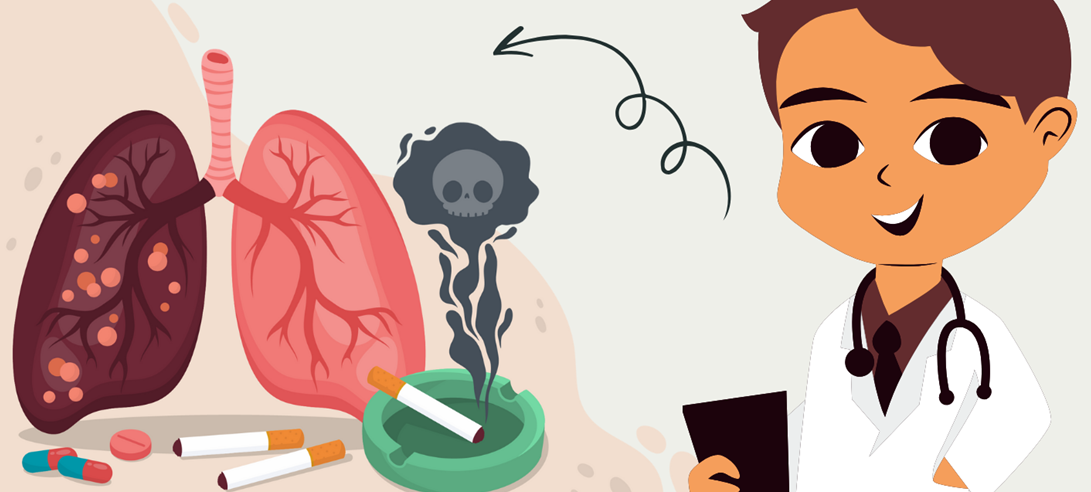
Tips for Breathing: When the Air Quality Index (AQI) crosses 400, the air becomes hazardous and can severely affect breathing, especially for children, elderly people, and those with asthma or heart conditions. In such conditions, even healthy individuals may experience coughing, throat irritation, or shortness of breath. To stay safe, it becomes essential to follow proper breathing precautions and reduce exposure to polluted air. Using masks, improving indoor air quality, and practicing safe breathing techniques can significantly reduce health risks. This introduction highlights the need for mindful breathing and protective habits during extreme pollution levels to maintain respiratory health and overall well-being.
Top Breathing Tips for Good Health
1. Practice Deep Diaphragmatic Breathing
-
Breathe from the diaphragm (belly), not the chest.
-
Inhale deeply through the nose for 4 seconds, let the belly rise.
-
Exhale slowly through the mouth for 6 seconds.
-
Benefits: Improves oxygen flow, reduces stress, and strengthens lungs.
2. Use the 4-7-8 Relaxing Breath
-
Inhale through the nose for 4 seconds
-
Hold for 7 seconds
-
Exhale slowly for 8 seconds
Great for anxiety, insomnia, and calming the nervous system.
3. Follow Nasal Breathing (Avoid Mouth Breathing)
-
Always breathe through the nose.
-
Nose warms, filters, and humidifies air.
-
Helps maintain blood pressure, boosts immunity, and improves sleep.
4. Do Slow Breathing (6 Breaths Per Minute)
-
Take slow, gentle breaths.
-
Ideal speed: 5–6 breaths per minute.
-
Activates the parasympathetic system → reduces stress, stabilizes heart rate.
5. Practice Box Breathing (Used by Navy SEALs)
-
Inhale 4 sec → Hold 4 sec → Exhale 4 sec → Hold 4 sec
Great for focus, performance, and controlling panic/stress.
6. Do Morning Lung Expansion
Every morning:
-
Stand straight
-
Inhale slowly as you spread your arms wide
-
Hold for 2 seconds
-
Exhale fully
Prevents shallow breathing and opens lung capacity.
7. Avoid Overbreathing (Hyperventilation)
-
Breathe less but deeper.
-
Fast, shallow breaths stress the body and reduce CO₂ balance.
-
Keep your breathing smooth and calm.
8. Practice Breath Awareness
-
Spend 3 minutes focusing only on your breath.
-
Watch the inhale–exhale cycle.
-
This reduces anxiety, sharpens focus, and improves mood.
9. Maintain Good Posture
-
Slouching compresses the lungs.
-
Keep your spine straight in sitting and standing.
-
Helps lungs expand fully.
10. Try the “Pursed-Lip Breathing” Technique
Especially useful for people with asthma or lung weakness:
-
Inhale through nose for 2 seconds
-
Exhale slowly through pursed lips for 4 seconds
This clears airways and improves oxygen exchange.
Bonus Tips for Better Lung Health
-
Spend time in fresh air daily.
-
Stay hydrated (keeps lung mucus thin).
-
Avoid smoke or polluted areas.
-
Do regular exercise (walking, yoga, breathing exercises).
Tips for Breathing: When AQI is 400+?
Evidence-based, research-supported breathing and safety tips for days when AQI is 400+ (Hazardous), based on findings from environmental health scientists, pulmonologists, the WHO, EPA, and global air-quality research.
Scientifically-Backed Tips for Breathing When AQI Is 400+
At AQI 400+, even healthy individuals can experience breathing difficulty. Pollution contains PM2.5, PM10, ozone, nitrogen dioxide, sulfur dioxide, soot, and heavy metals that deeply penetrate the lungs.
Below are the most trusted, research-based practices:
1. Minimize Outdoor Exposure (Critical)
Research basis: WHO & EPA studies show PM2.5 at this level penetrates alveoli and enters the bloodstream.
Stay indoors as much as possible
Keep doors and windows sealed
Avoid outdoor exercise (increases inhaled pollutants by 5–10×)
2. Use N95 / KN95 Masks – Proven to Reduce PM2.5 by 95%
Study evidence: Harvard T.H. Chan School of Public Health – N95 filters block ultrafine particles.
Always wear a properly fitted N95 outdoors
Surgical masks do NOT filter PM2.5
Change mask filters regularly
3. Indoor Ventilation with Air Purifiers
Research basis: Indian Institute of Technology (IIT), Berkeley Labs – HEPA filters remove 99.97% particles ≥0.3 µm.
Use HEPA air purifiers in bedroom + living area
DIY purifiers (Corsi-Rosenthal box) also reduce PM2.5 by 60–80%
Keep purifier running 24×7 on high mode during hazardous AQI
4. Breathing Techniques That Reduce Pollutant Intake
NO research supports “deep breathing” during high AQI.
Deep breaths pull pollutants deeper into the lungs.
Scientist-approved techniques:
Shallow, nasal breathing (recommended by pulmonary researchers)
Nose filters about 40% of PM2.5 compared to mouth breathing.
Pursed-lip breathing (reduces airway collapse, recommended by American Lung Association)
How to do it:
-
Inhale gently through the nose 2 seconds
-
Exhale slowly through pursed lips 4–6 seconds
Helps reduce irritation and improves oxygen exchange.
Avoid These (Backed by Research)
Deep inhalation exercises (e.g., deep pranayama)
Breathe slow and gentle instead.
Outdoor yoga, jogging, running
Increases air intake by up to 20× (EPA study).
Burning incense, candles, mosquito coils
Adds more PM2.5 indoors.
Cooking without exhaust
Releases indoor PM similar to outdoor pollution.
5. Hydration Helps Your Respiratory System
Scientific basis: Moist airways trap pollutants better.
Drink warm water throughout the day
Use a humidifier (40–60% humidity ideal)
Steam inhalation loosens PM particles trapped in mucus
Do not overdo — once daily is enough
6. Anti-Inflammatory Foods Reduce Impact
Research from Harvard & ICMR shows these help:
Ginger
Turmeric (curcumin)
Omega-3 (flaxseed, walnuts, fish oil)
Tulsi tea
Vitamin C foods: amla, lemon, oranges
These do NOT stop pollution intake but reduce oxidative stress.
7. Monitor Symptoms – When to Seek Medical Help
According to the American Thoracic Society:
Immediate help if you feel:
-
Tight chest
-
Wheezing
-
Persistent cough
-
Dizziness
-
Breathing difficulty
High AQI increases risk for asthma attacks, heart stress, and bronchitis.
8. Special Tips for Vulnerable Groups
Based on WHO & Lancet research
Avoid exposure completely if:
-
Children under 12
-
Pregnant women
-
Elderly
-
Asthma/heart/lung patients
Use N95 even indoors if air quality is extremely bad.
Summary (Scientist-Backed)
| Action | Science Support |
|---|---|
| N95 mask | Harvard, WHO |
| HEPA purifier | Berkeley Labs, IIT |
| Nasal breathing | American Lung Association |
| Avoid deep breathing | Pulmonary research |
| No outdoor exercise | EPA |
| Hydration/humidity | Respiratory science |
| Anti-inflammatory diet | Harvard/ICMR |
FAQs
1. What does AQI 400+ actually mean?
AQI above 400 falls in the “Severe/ Hazardous” category. The air contains extremely high levels of PM2.5 and PM10, making it dangerous for everyone — not just sensitive groups.
2. Is it safe to go outside when AQI is 400+?
No. You should avoid going outdoors unless absolutely necessary. Even short outdoor exposure can irritate your lungs, eyes, and throat.
3. What type of mask should I wear in high AQI?
Wear N95, KN95, or FFP2 masks. Cloth masks, surgical masks, or scarves do not filter toxic particles effectively.
4. Can I exercise outside when AQI is very high?
Avoid all outdoor physical activities like running, jogging, or cycling. Exercise increases breathing rate, which leads to inhaling more pollutants.
5. How can I keep my home air clean during severe pollution?
-
Keep windows/doors closed.
-
Use an air purifier with HEPA filter.
-
Use wet mopping instead of dry sweeping.
-
Keep indoor plants (limited effect but good for humidity).
6. Are air purifiers effective during AQI 400+?
Yes. A HEPA-based air purifier significantly reduces indoor PM2.5 levels. However, keep doors/windows sealed for best performance.
7. What’s the best breathing technique to reduce irritation?
Practice nasal breathing (not mouth breathing). The nose filters particles better than the mouth.
8. Should I use steam inhalation for pollution-related discomfort?
Occasional steam inhalation may help clear nasal passages, but it does not remove pollutants from the lungs. Do not overuse it.
9. Is it safe for children and the elderly to go outside?
Absolutely not. Children, senior citizens, pregnant women, and people with asthma or heart issues should stay indoors during AQI 400+.
10. What should I do if I feel breathless or wheezing?
-
Use prescribed inhalers (if you have one).
-
Sit in a clean, ventilated room.
-
Seek medical help if symptoms persist.
11. Can homemade remedies like warm water or honey help?
They may ease irritation and sore throat, but cannot protect you from pollution exposure. Prevention is the key.
12. Does drinking more water help in high pollution?
Yes. Staying hydrated keeps mucous membranes moist and helps your body flush out toxins more effectively.
13. Is it helpful to use a wet cloth on windows to block dust?
Yes, it can help reduce dust particles entering indoors when an air purifier is not available.
14. Should I drive with car windows open during severe smog?
No. Always keep windows rolled up and use recirculation mode in the AC.
15. When is it safe to step outside again?
AQI should ideally be below 150 (Moderate) for normal outdoor activities. Below 100 is best for children and elderly.